What is the Apple R1 chip?
Apple's mixed reality headset comes with a hefty price, so what is the R1 chip in it?

Share this article...

WePC is reader-supported. When you buy through links on our site, we may earn an affiliate commission. Prices subject to change. Learn more
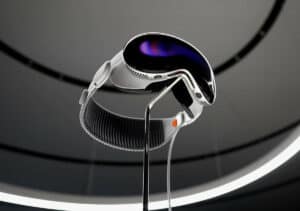
At its WWDC 2023 conference, Apple announced the Vision Pro release date after plenty of rumors of it entering the market. So you may wonder what is the Apple R1 chip. Working alongside the M2 processor it is the power behind the mixed reality headset.
Also running on a new operating system, Apple xrOS is the system powering the new AR/VR device. And will be working to combine the two processors to provide a unified experience. And it is one of the bigger announcements of the event, alongside the likes of the iOS 17 release date, the new Macbook Air, and plenty more.
But for now let’s see what makes up the new device.
What is the Apple R1 chip?
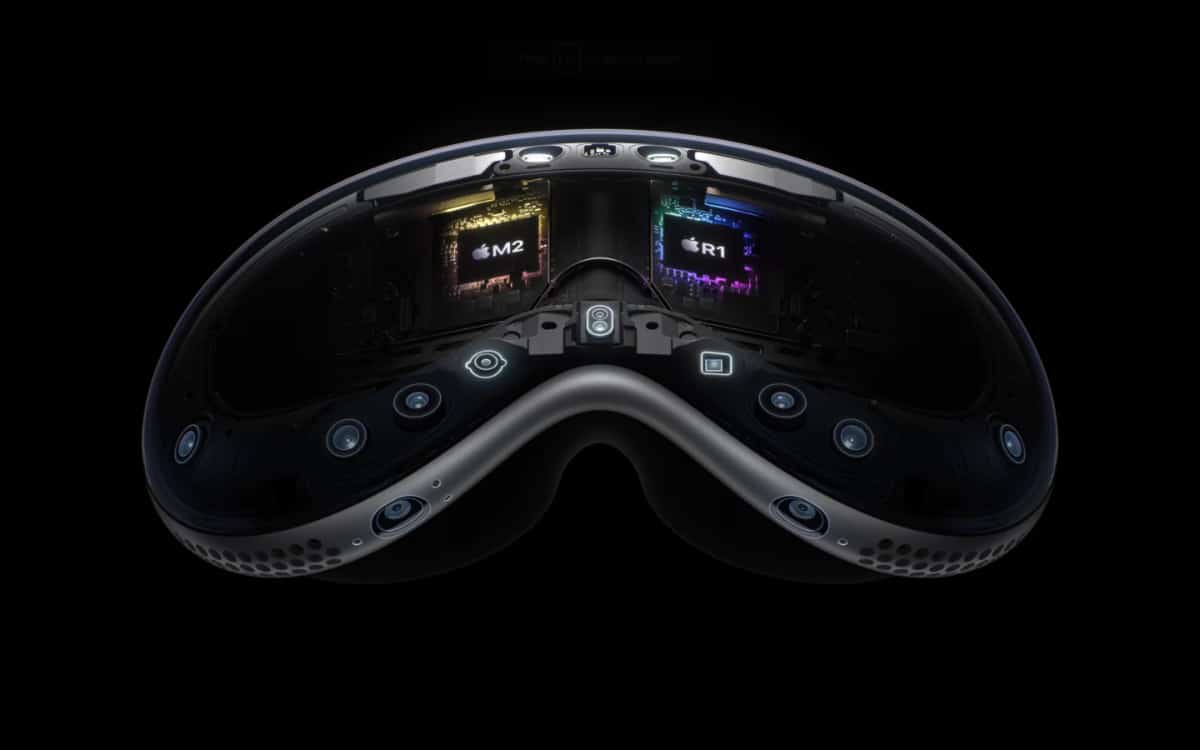
The Apple R1 chip is one of the processors in the new Vision Pro mixed reality headset. It is featured alongside the M2 processor as well in a dual-chip design. And whilst that works on the standalone performance of the device in the processing, the R1 is more focused on the cameras and inputs of the headset.
This means some of the work is offloaded onto this other chip to keep it fast and with low latency. It takes input from 12 cameras, five sensors, and six microphones to create the most immersive experience and makes it look like it’s right there in front of your eyes. R1 streams images to the displays within 12 milliseconds, apparently 8x faster than a blink of an eye.
So with that, you can expect much lower latency issues and limits the motion sickness some might experience while wearing the headset. So a separate R1 working on sensors ensures there is no delay on the display. Although it does have the drawback of having more power required to run it which might explain the 2-hour battery time of the device, you might expect more from the $3,499 headset.